
Introduction: Understanding Accutane and Its Impact on Hair
Accutane, known scientifically as isotretinoin, is a powerful medication often prescribed for severe acne that hasn’t responded to other treatments. While its effectiveness in clearing acne is well-documented, many patients are increasingly concerned about its side effects, particularly hair loss. One common question arises among users: What happens to hair when taking Accutane? Is there a notable difference in hair health before and after treatment?

In this article, we will delve into the experiences of real patients who’ve navigated the effects of Accutane on their hair. By examining patient testimonials and relevant research findings, we aim to provide insights into Accutane hair loss before and after and help you understand what to expect if you choose this treatment option.
What Is Accutane?
Overview of Accutane
Accutane is a form of vitamin A that works by decreasing the amount of oil released by oil glands in the skin, leading to reduced acne and clearer skin. By helping to prevent clogged pores, Accutane significantly helps in controlling severe acne breakouts.
Treatment Process
The treatment course typically lasts between four to six months, depending on the severity of the acne and the patient’s response to the medication. It’s essential for patients to undergo regular check-ups and blood tests to monitor their health during treatment.
Common Side Effects
While Accutane is effective, it is known for having a range of potential side effects. These include dry skin, chapped lips, and, notably, hair loss. Understanding the relationship between Accutane and hair loss is crucial for anyone considering this treatment option.
Incidence of Hair Loss with Accutane
Research Findings
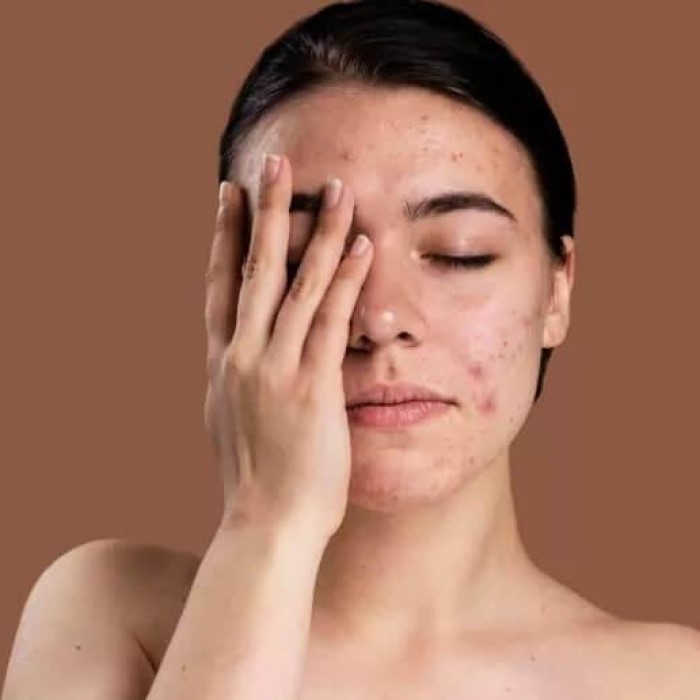
Research indicates that hair loss is a concern for a small percentage of patients undergoing isotretinoin treatment. Approximately 10% of individuals report experiencing noticeable hair thinning during their course of treatment. While this statistic might seem alarming, it’s essential to explore the broader context.
Patient Reports
Multiple surveys and patient testimonials suggest that while some people do experience hair loss, it typically resolves after discontinuing use of Accutane. Many patients report hair regrowth and restoration of their original hair density over time.
Timelines of Hair Loss
For most patients, hair loss may manifest within the first few months of treatment, indicating that the body is adjusting to the medication. The initial response can lead to anxiety about the permanence of the hair loss, but patient experiences often suggest a positive outcome.
Real Patient Experiences: Before and After Accutane
Patient Testimonials on Hair Loss
Many patients have shared their experiences regarding Accutane hair loss before and after. Here are some common themes from these accounts:
Before Treatment
- Self-Esteem Challenges: Many individuals suffering from severe acne often grapple with low self-esteem and negative body image. The presence of persistent acne can lead to social anxiety and withdrawal from social situations due to fears of judgment or ridicule.
- Focus on Skin Issues: For these individuals, the primary focus tends to be on their skin condition. They commonly seek treatments to clear their acne, as it is very visible and impactful on their daily lives. Consequently, concerns about hair health may take a backseat.
- Limited Awareness of Hair Health: Prior to starting treatment, patients might not consider hair loss as a significant risk associated with their medication. Instead, their main motivation is often to achieve clearer skin, thereby overlooking possible impacts on hair.
During Treatment
- Initiating Isotretinoin Therapy: As patients begin their isotretinoin regimen, they may notice changes in various aspects of their health, including hair. The physical effects of the medication can start to become apparent relatively quickly, leading to heightened awareness.
- Changes in Hair Texture: Many patients report noticing alterations in their hair texture. Hair may feel drier, coarser, or less manageable, possibly due to the drying effects of Accutane on the body, including the scalp.
- Hair Thinning Concerns: Alongside these texture changes, some individuals may experience noticeable thinning of their hair. This can result in increased anxiety and self-consciousness, especially for individuals who previously had thick, healthy hair.
- Emotional Impact: The emotional toll of experiencing hair changes adds to the stress already felt from dealing with acne. Patients may start to question whether the treatment will be worth the potential side effects, leading to psychological distress.
After Treatment
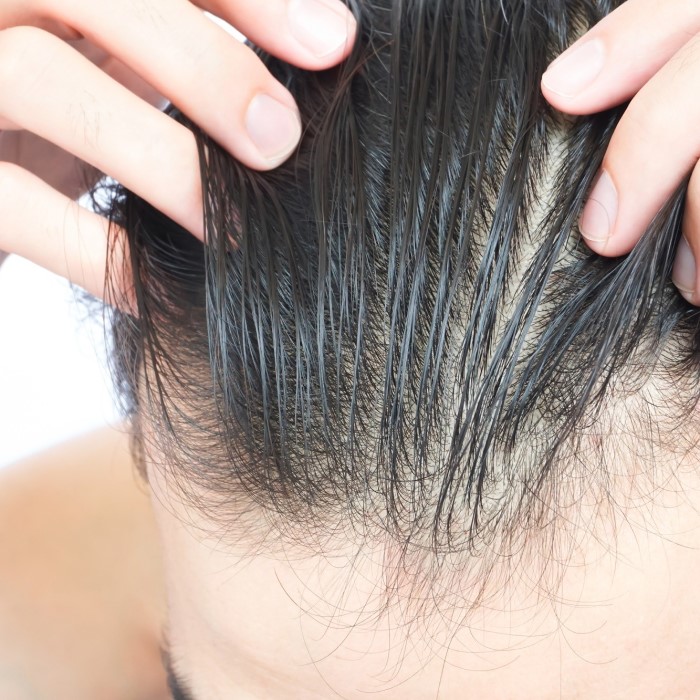
- Hair Loss as a Temporary Side Effect: Following the completion of Accutane treatment, many patients document their experiences regarding hair loss. While some do indeed report hair thinning during the treatment, most testimonials indicate that this effect is typically not permanent.
- Hair Recovery Patterns: A significant number of patients note that their hair begins to regrow within three to six months after stopping Accutane. This regrowth often provides reassurance and boosts confidence, helping to alleviate the anxiety surrounding their hair health.
- Positive Outcomes: Many individuals express relief as their hair returns to its normal state. They often highlight that the temporary challenges faced during treatment, including hair loss, were outweighed by the benefits of clear skin and improved self-esteem.
- Sharing Experiences: Online forums and support groups are common platforms where individuals share their experiences after completing treatment. These shared stories not only provide comfort but also empower others who may be going through similar issues with Accutane.
The Psychological Impact of Hair Loss
Many patients report that hair loss, albeit temporary, affected their self-image. The struggle with acne is often emotional, and the prospect of hair loss adds additional stress. However, understanding the temporary nature of this side effect helps alleviate some concerns.
Factors Contributing to Hair Loss During Accutane Treatment
Hormonal Changes
Accutane can induce hormonal changes in the body. These fluctuations can influence hair growth and may lead to increased shedding in some patients. The interplay between hormone levels and hair health is complex and varies from person to person.
Nutritional Factors
A diet rich in essential nutrients is crucial for maintaining healthy hair. Some patients might experience changes in appetite or gastritis during treatment, potentially leading to nutritional deficiencies that impact hair health. Nutrients such as biotin, vitamin D, and iron are especially important for hair growth.
Stress and Anxiety
Navigating severe acne and its treatment can be stressful. The emotional turmoil surrounding both conditions can lead to added stress, which itself is a known contributor to hair loss. Stress management techniques can help mitigate these effects.
Dryness and Scalp Health
Accutane often leads to dryness of the skin, including the scalp. A dry, itchy scalp can damage hair follicles and may lead to hair loss. Ensuring a healthy scalp environment is important for maintaining hair during treatment.

Regaining Hair Health After Accutane
The Hair Regrowth Process
After discontinuing Accutane, most patients report that their hair begins to grow back. The regrowth timeline can vary widely; however, many individuals notice improvement within a few months. This regrowth can be influenced by factors like genetics and overall health.
Tips for Supporting Hair Health Post-Treatment
- Nutritional Support: Consuming a balanced diet rich in vitamins and minerals, particularly those known to support hair health, is beneficial. Foods high in biotin, zinc, and omega-3 fatty acids can promote growth.
- Gentle Hair Care: Using mild hair care products and avoiding heat styling can protect hair during the sensitive regrowth phase.
- Regular Scalp Care: Keeping the scalp clean and hydrated can promote a healthy environment for hair regrowth. Regularly massaging the scalp can also stimulate blood flow.
FAQs About Accutane and Hair Loss
Does Accutane hair loss go away?
Yes, for most individuals, hair loss caused by Accutane is temporary. Users typically experience hair regrowth after completing their treatment course.
Can I prevent hair loss while on Accutane?
While some degree of hair loss may occur, maintaining a healthy diet rich in essential nutrients and avoiding stress can help minimize its impact.
How can I support my hair during and after Accutane?
You can support your hair health by staying hydrated, eating nutrient-rich foods, using gentle hair products, and maintaining a healthy scalp.
What should I do if my hair loss continues after Accutane?
If hair loss persists after finishing Accutane, it is important to consult a healthcare provider. They can evaluate your specific situation and recommend possible treatments or lifestyle changes.
In summation, the conversation about Accutane hair loss before and after treatment involves many factors, from individual patient experiences to broader research findings. While hair loss can indeed be a side effect of isotretinoin, for the vast majority of patients, this is reversible, and most will see their hair return to its pre-treatment state.
Understanding the psychology behind these experiences, combined with knowledge of the potential for regrowth and recovery post-treatment, offers reassurance to those considering or undergoing Accutane therapy. If you’re navigating this journey, remember that support and information are key. Be proactive in discussing your concerns with your healthcare provider, and stay informed about the effects of your treatment.
By addressing both the physical and emotional aspects, you can prepare for a positive outcome, not just for your skin but also for the overall health of your hair.